Design systems for a consistent and accessible user experience

You recognise a strong brand instantly. Not just by its logo or tone of voice, but by the consistent experience across every touchpoint. That consistency is no coincidence. A design system is the foundation for safeguarding your brand identity while working efficiently on better user experiences. In 2025, that foundation is incomplete without digital accessibility, and therefore without full WCAG compliance.
What is a design system?
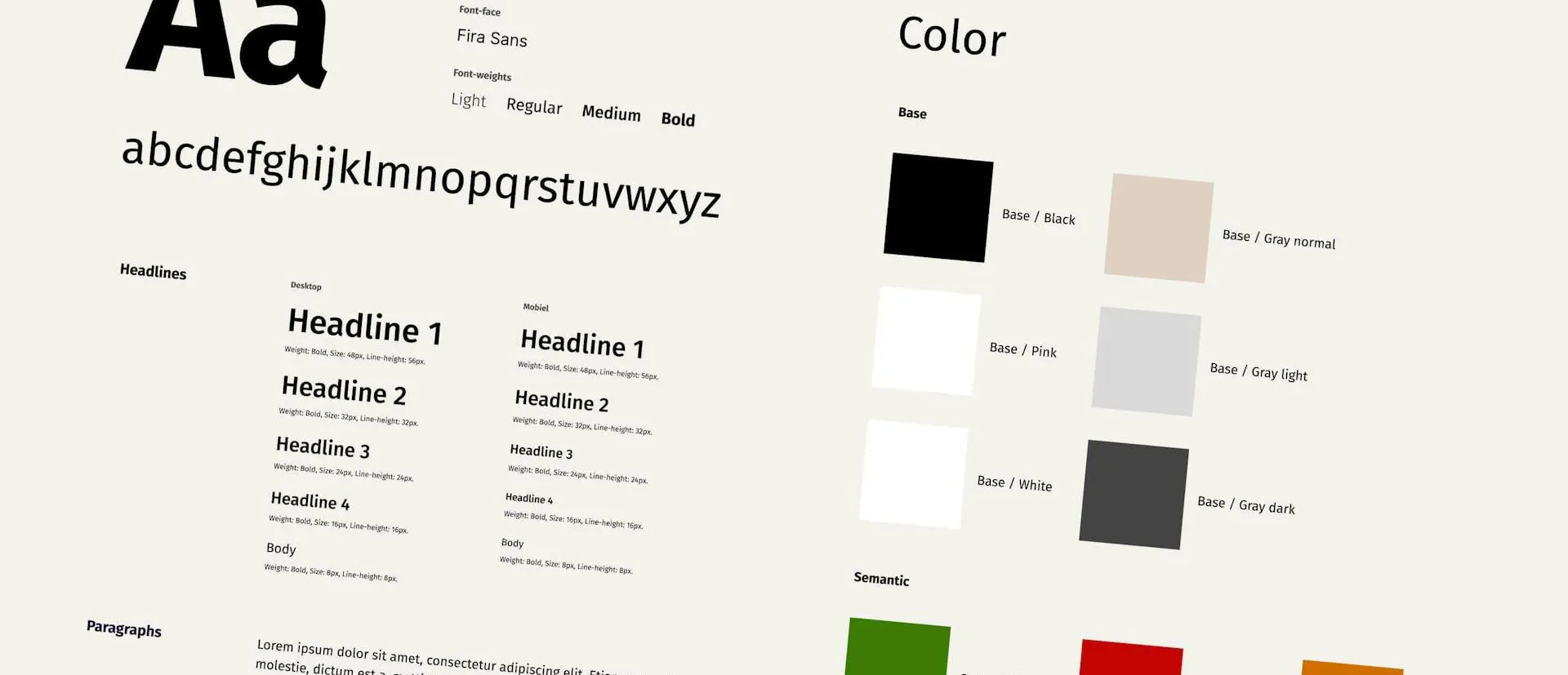
A design system is a central library of standardised design components, styles, and interaction patterns. Think of colours, typography, icons, and UI components such as buttons, forms, and navigation elements. By documenting these elements in one source of truth, you avoid inconsistencies in the digital experience and help teams work faster and more consistently.
Why use a design system?
A design system goes beyond visual consistency. It creates a predictable and reliable user experience.
Users recognise your brand, feel confident while interacting with your platform, and achieve their goals without friction. This builds trust, strengthens brand perception, and increases conversion.
What happens without a design system?
- The “Order now” button is red on the homepage, but blue on the product detail page
- Forms display different error messages on mobile than on desktop
- Every campaign feels slightly disconnected from the core brand identity
Small differences. But together, they weaken your brand identity.
With the introduction of the European Accessibility Act, accessibility becomes legally required for many digital services from 28 June 2025 onwards. The WCAG 2.2 guidelines ensure websites and apps remain usable for people with visual, auditory, motor, or cognitive impairments.
Key WCAG requirements
- Sufficient colour contrast (minimum ratio of 4.5:1)
- Full keyboard navigation without a mouse
- Visible focus states during interaction
- Clear labels and error messages

The impact: scalable accessibility and a stronger brand
By embedding accessibility guidelines directly into your design system, you ensure inclusivity from the very first design sketch. An accessible design system is not only future-proof, but also strengthens your brand. You create a consistent experience across all channels — from email and web to native apps — while making your platform usable for everyone and compliant with legislation.
- Consistency: one visual language across all teams and touchpoints
- Efficiency: less duplicate work, faster iterations, and scalable growth
- Accessibility: designed for everyone, including people with disabilities
- Responsibility: ready for European legislation in 2025